Welcome to our complete guide on QR Codes!
In this blogpost, we will explore QR Codes, as well as providing a complete guide for those who are taking their first steps in this technology. Let's answer the basic questions like "What are QR Codes?" and "How do they work?", as we explore the various applications that make QR Codes so popular today.
QR Codes have the power to transform the way we interact with the world around us. Whether you want to access additional information, obtain exclusive discounts, make instant payments or even contact people and companies more efficiently, these codes offer a universe of possibilities.
Throughout this guide, you will discover how to read a QR Code and how this technology has been implemented in different sectors, from retail to events and advertising. Plus, we'll explore future QR Code trends so you can stay one step ahead and make the most of this innovative tool.
So, if you're curious about how QR Codes can enhance your customer experience, boost your marketing strategies, or simplify everyday processes, you've come to the right place. Get ready to dive into the world of QR Codes and discover how they can transform the way we connect and interact with the digital world.
Keep reading and make the most of this complete beginner's guide to QR Codes!
Get to know the ClickCard app now and discover how to create your own personalized QR Codes to boost your business!

QR Code is the abbreviation of Quick Response Code , which in free translation means " quick response code ". These two-dimensional codes consist of a matrix of black and white dots that can be scanned and interpreted by electronic devices such as smartphones and tablets. They store encoded information such as texts, URLs, phone numbers, email addresses and even .
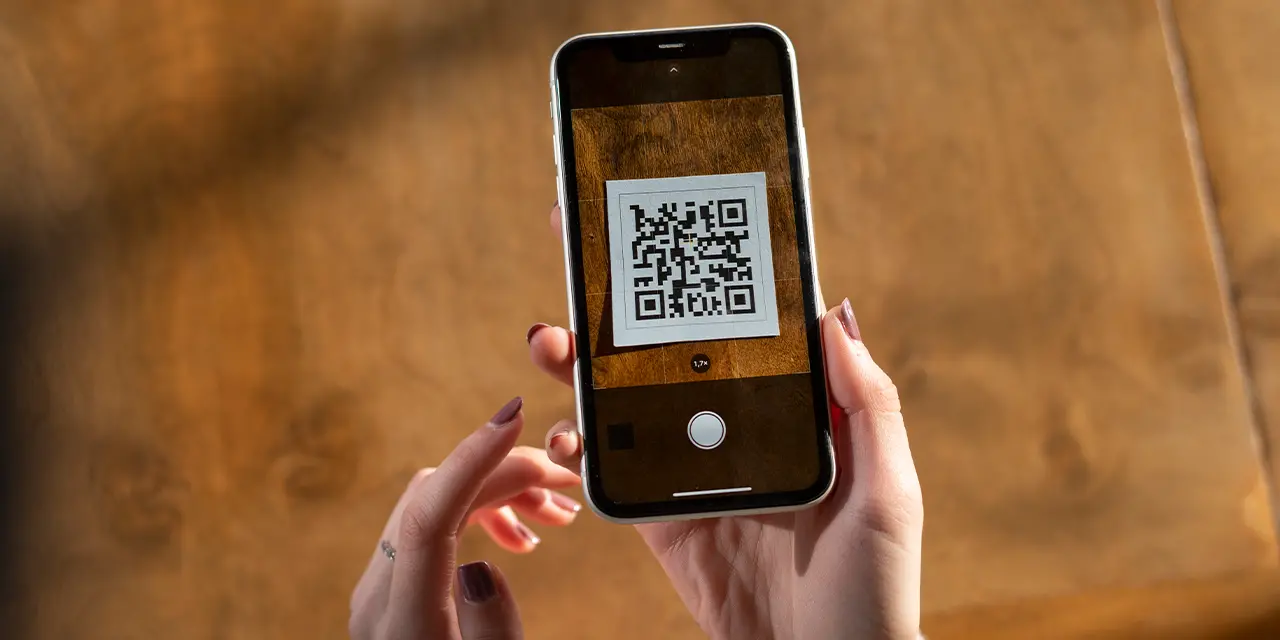
QR Codes work through scanning technology . When using your smartphone camera or a specific application for reading QR Codes, you point the device at the code and scan it. The device decodes the information contained in the QR Code and performs the corresponding action, such as opening a web page, playing a video, sending an email, adding an event to the calendar or even making a payment .
The usefulness of QR Codes is wide and varied. They are a convenient and quick way to provide instant access to information. additional features such as exclusive promotions, product details, instruction manuals, restaurant menus and much more.
In addition, QR Codes are widely used in marketing strategies, allowing companies to direct users to specific pages, carry out personalized campaigns and track the effectiveness of their actions.
QR Codes are also a valuable tool for facilitating payments and financial transactions, especially with the increased use of digital wallets and payment apps. Just scan a QR Code at an establishment or on an invoice to make a quick and secure payment.
That is, QR Codes are much more than just two-dimensional codes. They represent a practical and efficient way of connecting the physical world to the digital world, providing instant access to information, promoting interaction and simplifying processes.
With their versatility and wide range of applications, QR Codes have become an indispensable tool in many areas, from marketing to e-commerce and mobile payments.
Now that you understand what QR Codes are and how they work, continue exploring our complete guide to discover the practical applications and future trends of this innovative technology.
Get to know the ClickCard app and create your own personalized QR Codes to boost your business!

History of QR Codes: From Origin to Evolution
QR Codes were created by the Japanese company Denso Wave, a subsidiary of Toyota, in the year 1994. They were developed by a team led by Masahiro Hara, who aimed to create an efficient solution for tracking parts in the automotive industry.
This is how QR Codes were born , which are based on barcodes but capable of storing much more information.
The popularity of QR Codes started to grow slowly, but it was only with the spread of smartphones equipped with high-resolution cameras and QR Code reading apps that they became widely recognized and adopted by the general public.
Milestones in the History of QR Codes:
1990s: In the early years of QR Codes, they were mainly used for parts tracking and logistics in industrial sectors. Adoption by the general public was still limited.
Year 2000: With the advent of camera phones, QR Codes began to gain popularity in Japan as a way to make mobile payments, allowing users to scan a code in stores and make payments quickly.
Year 2002: QR Codes were officially standardized by the ISO (International Organization for Standardization) as an international standard, allowing their global adoption.
Year 2009: QR Codes gained international prominence when they were used extensively in marketing campaigns during the FIFA World Cup, held in South Africa. This was the first time that many people outside of Japan had come into contact with QR Codes.
Year 2010: Large technology companies such as Google and Apple began to incorporate native support for reading QR Codes into their operating systems, further boosting the codes' popularity.
Years 2010 onwards: QR Codes have become an essential tool in marketing, advertising and customer interaction strategies. They have been widely adopted in different industries such as retail, tourism, events and even product packaging.
The history of QR Codes is a fascinating journey that started with a specific goal in the automobile industry and turned into a versatile and widely used tool in our daily lives. The evolution of smartphones and the global adoption of QR Codes have opened up a world of possibilities.

QR Codes have become a constant presence in our daily lives, appearing in magazines, posters, product packaging and much more. But what makes QR Codes so popular? In this blogpost, we are going to explore the reasons why this revolutionary technology has gained so much relevance, highlighting the benefits and advantages that QR Codes offer. In addition, we'll exemplify common use cases that show how they facilitate access to information, promotions, and payments.
Convenience
One of the main reasons for the popularity of QR Codes is their convenience. All you need is a smartphone with a camera and a QR Code reader app to scan a code and instantly access additional information such as product details, restaurant menus, event times and much more. No need to type long URLs or do searches. A simple scan is enough to obtain the desired information .
Interactivity
QR Codes make the user experience more interactive. By scanning a code , users can be directed to videos, interactive web pages, quizzes, surveys and other types of dynamic content. This provides a more engaging experience and allows brands to more meaningfully connect with their target audience .
Speed
QR Codes are extremely fast in terms of accessing information . In just a few seconds, you can scan a code and immediately access relevant details . This is especially useful in contexts such as events or brick-and-mortar stores, where users can get up-to-date information, special offers or exclusive discounts instantly.
QR Codes are often used in museums, exhibitions and landmarks to provide additional information about works of art, historical points of interest or interactive guides for visitors.
Many companies use QR Codes in their marketing campaigns to offer exclusive discounts, shopping coupons, freebies or access to sweepstakes. Users can scan the code to redeem the offer at physical stores or online stores.
With the increased use of digital wallets and payment apps, QR Codes have become a convenient and secure way to carry out financial transactions. Users can scan a code at merchants or on invoices to make instant payments.
QR Codes have gained their popularity due to their numerous advantages and benefits. The convenience, interactivity and speed offered by QR Codes allow companies to efficiently connect with their audience, providing easy access to information, exclusive promotions and facilitating financial transactions. As more industries embrace this innovative technology, it's safe to say that QR Codes will continue to be a constant presence in our digital and physical world.
Get to know the ClickCard app and discover how to create and customize your own QR Codes to boost your business!

QR Codes are everywhere, but do you know how to read them? If you've ever wondered how to decipher these two-dimensional codes and gain access to the valuable information they offer, this blogpost is for you. We will guide you step by step on how to read a QR Code, using common methods, such as using specific applications or even your smartphone's camera.
There are different methods to read a QR Code depending on the device and available options. Below are two of the most common methods:
Smartphone camera (for some specific models):
Step 1 : Open your smartphone's camera app.
Step 2: Point the camera at the QR Code, keeping it within the frame of the screen.
Step 3: Wait a few seconds for your smartphone's system to recognize the QR Code and display a notification or offer the option to open the link or related content.
Step 4: Tap on notification or system provided option to access QR Code content.
Make sure the QR Code is well lit and free of obstructions for an accurate reading.
Keep the device steady while the camera is focused on the QR Code.
Make sure the QR Code reader app is updated to the latest version, ensuring better compatibility and performance.
Reading a QR Code can seem like a mystery, but with the right tools and a few simple steps, you can easily decipher these two-dimensional codes and enjoy the benefits they offer. Whether using a QR Code reader app or your smartphone camera, you are now ready to explore the world of QR Codes and access additional information, exclusive discounts and interactive experiences with just one scan. Give it a try and discover what QR Codes have to offer!
Get to know the ClickCard app and create your own personalized QR Codes to attract customers and boost your business!

With the growing popularity of QR Codes, it is natural for security concerns to arise. After all, when scanning a QR Code, we are accessing online information and interacting with different platforms. In this blogpost, we'll address security concerns around QR Codes and provide guidance on how to verify the authenticity of a QR Code before scanning it, ensuring a trusted and secure experience.
Malicious Links: QR Codes can be used to direct users to malicious websites containing malware or phishing that aim to steal personal or financial information.
Inappropriate Content: In some cases, QR Codes can lead to inappropriate or harmful content, such as offensive images or videos.
Redirection to untrusted apps: Some QR Codes can redirect users to untrusted app downloads, which can compromise device security.
Examine QR Code Source: Before scanning a QR Code, check its source. If it appears on official material, such as product packaging or promotional materials from trusted companies, it is more likely to be authentic.
Check the visual appearance: pay attention to QR Code details such as print quality, sharpness and correct placement of elements. Authentic QR Codes usually look professional and crisp.
Use a reputable QR Code reader app: Make sure you use a reputable QR Code reader app downloaded from official sources like your smartphone's app store. Popular and highly rated apps often have additional security features to verify the authenticity of QR Codes.
Avoid scanning QR Codes from unknown sources: If you receive a QR Code from an unknown source, especially through unsolicited messages or in suspicious locations, it's best to avoid scanning it.
Consider the context: Evaluate the context in which the QR Code is being presented. If it's in a safe environment, like an established physical store or a trusted event, chances are it's authentic.
When enjoying the benefits of QR Codes, it is essential to consider security. By following the above guidelines, you can ensure a reliable experience when scanning QR Codes, avoiding malicious links, inappropriate content or unreliable apps. Remember to always verify the authenticity of the QR Code and use reliable reader apps. Thus, you can enjoy the benefits of this technology with peace of mind and security.
Get to know the ClickCard app and safely create personalized QR Codes to boost your marketing strategy!

QR Codes have become a versatile and effective tool in several sectors, providing instant interaction and facilitating access to relevant information. Let's explore the different applications of QR Codes in sectors such as retail, events, advertising and tourism. We will highlight practical examples, success stories and the specific benefits that these applications bring to each sector.
Retail:
Offline and Online Integration: Retailers can use QR Codes in their physical stores todirect customers to online catalogs, product reviews, exclusive discount coupons or even to make purchases directly from their smartphone. This creates a more interactive and convenient shopping experience.
Product traceability: QR Codes can be applied to products to provide detailed information about their origin, manufacturing process and authenticity. This helps build consumer confidence and fight counterfeiting.
Events:
Fast check-in: At conferences, fairs and events, QR Codes can be used as electronic tickets for fast and secure access. Attendees can scan the code at the entrance and avoid queues, streamlining the check-in process.
Audience Engagement: QR Codes can be placed on event notice boards, booths or promotional materials, allowing attendees to access exclusive content, participate in interactive polls or download supplemental materials.
Advertising:
Interactive campaigns: Brands can use QR Codes in print or digital ads to direct users to promotional videos, personalized landing pages or discount coupons. This increases audience engagement and measures the effectiveness of campaigns.
Performance Metrics: By using QR Codes in advertising campaigns, companies can track the number of scans, geographic locations and devices used. This provides valuable metrics for measuring campaign success and optimizing future marketing strategies.
Tourism:
Destination Guide: QR Codes can be placed on landmarks, museums or information boards to provide detailed information on historical sites, works of art, monuments, among others. This enriches the visitor experience and facilitates access to relevant content.
Personalized Itineraries: Tour companies can create personalized itineraries with QR Codes, allowing travelers to easily access itineraries, interactive maps, local dining tips and transportation information.
QR Codes play a key role in many industries, driving interaction and efficiency. In retail, events, advertising and tourism, QR Code applications are vast and bring specific benefits to each sector. With their ability to provide instant information, engage audiences and facilitate transactions, QR Codes have become an indispensable tool for companies looking to improve the customer experience and drive their business forward.
Create personalized QR Codes for your business with the ClickCard application and explore all possibilities for interaction and efficiency!

QR Codes are already widely used in several areas, providing an interactive and efficient experience for users. However, future trends indicate that QR Codes are ready to go further, integrating with advanced technologies and offering even more personalized and analytical capabilities. In this blogpost, we will explore emerging trends in the use of QR Codes, such as integration with augmented reality, personalization and data analysis. Get ready to discover the new frontiers of interaction that QR Codes are about to pioneer.
Integration with Augmented Reality: the integration of QR Codes with augmented reality (AR) has the potential to revolutionize the way we interact with two-dimensional codes. With AR, QR Codes can become interactive portals to immersive digital experiences . By scanning a QR Code, users can be transported to a virtual world where they can view 3D content, watch interactive videos or interact with virtual elements in real time. This trend promises to open a new horizon of creative and engaging possibilities.
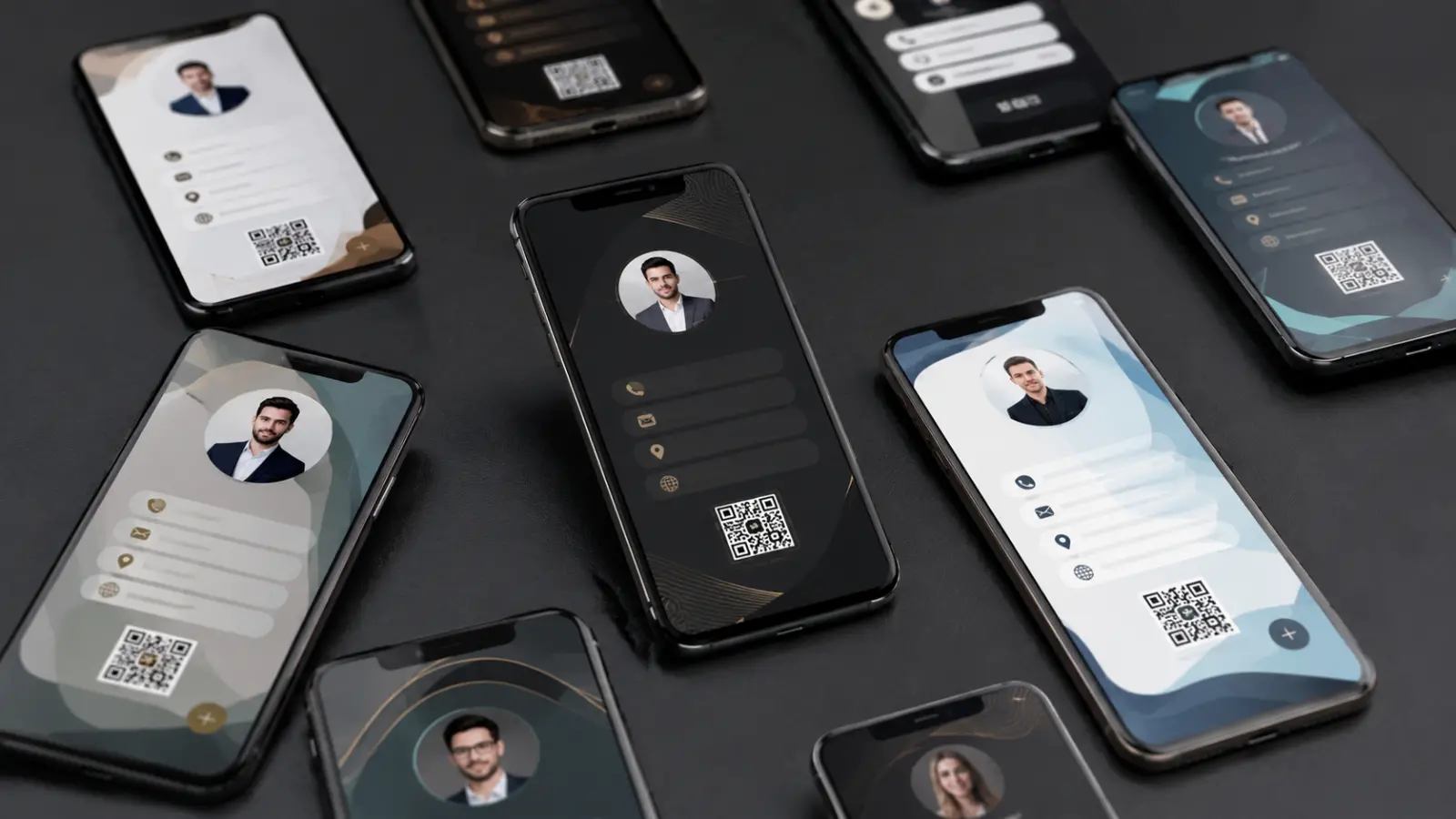
Advanced Personalization: QR Code personalization is evolving to adapt to the specific needs of brands and users. Instead of standard codes, companies can now create custom QR Codes, incorporating their unique colors, logos and designs. In addition, QR Codes can be segmented and targeted to different target audiences, offering specific and personalized content based on user preferences. This trend increases the effectiveness of marketing campaigns and strengthens brand identity.
Data Analysis and Metrics: With the evolution of data analysis tools, QR Codes are becoming a valuable source of information for companies. Data generated by QR Code scans can be analyzed to gain insights into user behavior, effectiveness of marketing campaigns and product performance. These metrics help companies make informed decisions, adjust strategies and optimize return on investment. Analyzing data from QR Codes opens up a new era of marketing intelligence and informed decision-making.
QR Codes are ready to evolve and embrace future trends, further expanding their interaction possibilities and providing advanced features for companies and users. With augmented reality integration, advanced personalization and data analysis, QR Codes will become even more powerful as marketing and communication tools. Get ready to explore these new frontiers of interaction and take your QR Code strategy to the next level.
Experience the new possibilities of QR Codes with the ClickCard app and stay ahead of emerging trends!
Are you ready to boost your marketing strategy with QR Codes? Don't waste any more time and start exploring all the possibilities of this revolutionary technology.
Harness the power of QR Codes to engage your target audience, improve the customer experience and drive your business forward.
Try the ClickCard app right now (for Android or iOS ) and discover how to create custom QR Codes, track performance metrics and achieve exceptional results.
Do not let this chance go by. QR Codes are ready to take your strategy to a new level of success. Discover the power of QR Codes with ClickCard and stay ahead of the competition.